What Is PPC Advertising
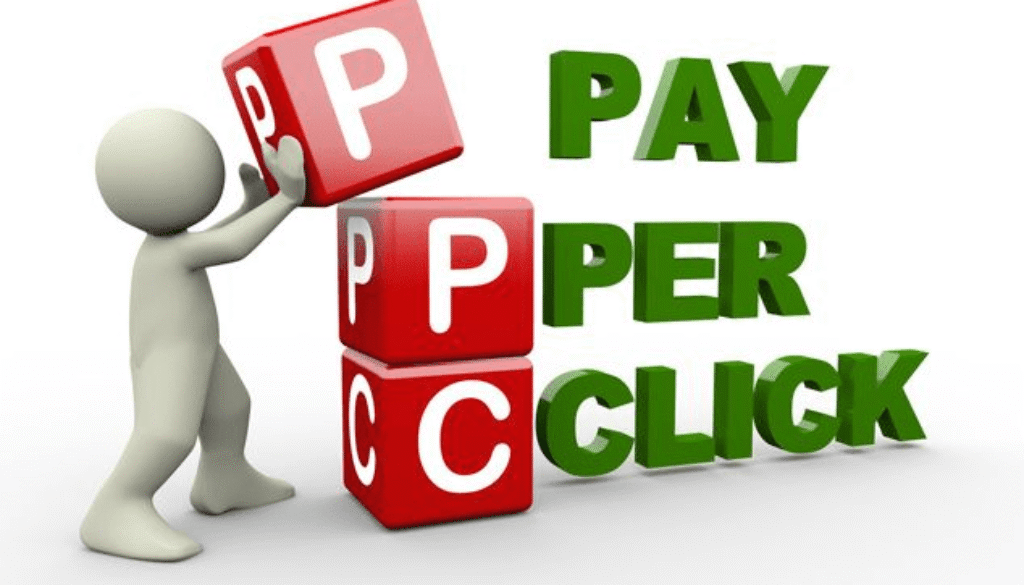
In digital marketing, waiting months for results is not always an option. This is where PPC advertising comes in. PPC stands for Pay-Per-Click, a model where advertisers pay only when someone clicks on their ad. Unlike SEO, which takes time, PPC delivers instant visibility and traffic.
Many beginners avoid PPC because they think it is expensive or complicated. That is a mistake. When done correctly, PPC is one of the fastest and most controllable digital marketing strategies.
How PPC Advertising Works
PPC ads appear on search engines, websites, apps, and social media platforms. The most common example is Google search ads.
Here is the basic process:
-
You choose keywords related to your business.
-
You create ads targeting those keywords.
-
You set a budget and bid amount.
-
Your ad appears when users search for those keywords.
-
You pay only when someone clicks your ad.
This means you are paying for real interest, not random views.
Types of PPC Advertising
PPC is not limited to search ads. There are multiple formats, each serving a different goal.
Search Ads
These appear at the top of search engine results. They are ideal for users with high intent, such as people searching to buy or hire.
Display Ads
These are banner or image ads shown on websites and apps. They are best for brand awareness and remarketing.
Social Media Ads
Platforms like Facebook, Instagram, and LinkedIn offer PPC ads based on user interests, behavior, and demographics.
Shopping Ads
Used primarily for e-commerce, these ads display product images, prices, and store names directly in search results.
Why PPC Advertising Is Important
PPC is not optional anymore. It is essential if you want predictable growth.
Instant Results
Unlike SEO, which takes months, PPC can start driving traffic the same day.
Highly Targeted
You can target users by location, age, interests, device, time, and intent.
Full Budget Control
You decide how much to spend daily or monthly. There is no forced cost.
Easy to Measure
Every click, conversion, and cost can be tracked accurately.
PPC vs SEO
SEO and PPC are not enemies. They work best together.
- SEO builds long-term organic traffic but takes time.
- PPC delivers immediate traffic, but stops when the budget stops.
Smart marketers use PPC for quick wins and SEO for sustainable growth.
Common PPC Mistakes Beginners Make
Most people lose money on PPC because they rush without a strategy.
Targeting Broad Keywords
Broad keywords attract irrelevant clicks and waste budget.
Ignoring Landing Pages
Sending traffic to weak pages kills conversions.
Not Tracking Conversions
If you do not track results, you are guessing, not marketing.
Chasing Cheap Clicks
Low-cost clicks mean nothing if they do not convert.
When Should You Use PPC Advertising
PPC works best when:
-
You want immediate traffic or sales
-
You are launching a new product or service
-
You want to test offers quickly
-
You are running time-sensitive promotions
PPC advertising is not gambling. It is data-driven marketing. When set up correctly, it gives you control, speed, and measurable results.
If SEO is the foundation and SMM is the voice, PPC is the accelerator.
Ignoring PPC means you are willingly slowing your growth.